Gifts for a future CRNA
If someone you know is applying to — or about to start — nurse anesthesia school, the gifts that land are the ones they'll actually carry into a clinical day. This guide is organized by the moment you're buying for, and everything here is something CRNA students genuinely use.
ℹ Some links below are affiliate links. If you buy through them, Boost CRNA may earn a small commission at no extra cost to you. We only list things we'd actually recommend.
They just got in
The big one. They're about to spend three years in clinicals, and the equipment they buy now gets used every single day. This is the moment where a genuinely good version of a tool they'd otherwise cheap out on lands best.
 Stethoscope
The gold standard for ICU nurses and CRNA students. Superior acoustics for cardiac and respiratory auscultation. Worth the investment.
 Penlight
Pupil gauge built in. Bright, durable, clips to your pocket. A clinical staple that costs next to nothing.
 Budget Stethoscope
Top-rated budget pick for pre-CRNA and early ICU nurses. Solid acoustics at a fraction of the Littmann price.
 Budget Stethoscope
The step-down from the Cardiology IV, but still a Littmann. Excellent for general cardiac and respiratory assessment.
They're deep in the application
Before acceptance, the useful gifts are the ones that reduce friction: study material, and anything that makes long shifts followed by longer study nights more survivable.
 CRNA Board Prep
The textbook for CRNA programs. Dense but comprehensive — most programs use it as the primary reference. Get the latest edition.
 Pharmacology
Deep-dive pharmacology specifically for anesthesia. Referenced in almost every CRNA program curriculum.
 Anatomy & Physiology
The definitive physiology textbook. If your science prereqs feel shaky, this is the reference to rebuild your foundation.
 CCRN Prep
Top-rated CCRN study guide. Getting your CCRN before applying significantly strengthens your application.
 ICU Reference
The go-to bedside reference for ICU nurses serious about the 'why' behind critical care. Shows programs you're thinking beyond tasks.
 CCRN Prep
Mometrix test prep for the CCRN. More concise than Dennison — useful as a second pass or a shorter-format review.
 Application Essays
The most-recommended book for clear, compelling non-fiction. Invaluable for personal statements — teaches you to cut filler and write with purpose.
 Critical Care Nursing
The comprehensive critical care nursing reference. Strong foundation for ICU practice and CCRN prep.
 Pens
PensThe CRNA-student standard for notes and clinical documentation. Smooth retractable gel ink that lasts. Stock up in the 12-pack.
 Pens
PensSame G2 quality, wider tip. Great for whiteboards and annotating printed slides.
 Highlighters
Soft pastel tones that won't bleed through textbook pages. Color-code pharmacology by drug class.
 Notepads
Dot-grid format perfect for structured notes, diagrams, and mind maps. Fountain-pen and gel-ink friendly.
 Hydration
Long shifts and study sessions demand more than water. Replenishes electrolytes fast.
 Focus
FocusA cleaner alternative to energy drinks during long study sessions — adaptogens + nootropics for focus without the crash.
 Organization
Indexed, numbered pages with two ribbon bookmarks. Great for clinical journaling and personal-statement drafts.
 Recovery
12-hour shifts on hard floors are brutal. Medical-grade compression reduces swelling and fatigue.
For the long haul
CRNA programs are front-loaded and relentless, and most students can't work much while enrolled. Anything that saves time or makes studying at home less miserable earns its keep over three years.
 Laptop
CRNA programs involve heavy simulation software, video lectures, and documentation. The M-series handles all of it with exceptional battery life.
 Note-taking
Many CRNA students swear by the reMarkable for handwriting notes during lectures. Feels like paper, syncs everywhere, no distractions.
 Noise-canceling
The best noise-canceling headphones for studying. Noisy housing, dorms, or library — these block it all out.
 Laptop
Editor's pick. Lightweight, exceptional keyboard, business-grade durability. Runs Windows natively — great for Windows-based simulation/clinical software.
 Tablet
Top tablet for CRNA students. Apple Pencil + GoodNotes for handwritten notes, PDF annotation, and pharmacology diagrams.
 Tablet
The sweet spot of price and performance. Supports Apple Pencil Pro and all the same apps as the Pro, lighter on the wallet.
 External Monitor
A second screen dramatically improves study efficiency. USB-C PD charging for MacBooks and accurate colors.
 Portable Monitor
Take your second screen anywhere. USB-C, no power brick. Great for rotations away from home.
 Ergonomic Chair
Editor's pick. Built for marathon sessions — lumbar support, adjustable armrests, premium materials. Invest in what you sit in.
Small, but genuinely used
You don't need to spend much to give something they'll actually reach for. These are the unglamorous items that live in a scrub pocket and get replaced when lost.
 Reference Cards
Laminated badge-sized cards: drip rates, lab values, ACLS algorithms, GCS. Clip to your badge reel for instant bedside lookup.
 Scrubs
The most popular scrubs among CRNA students. Anti-wrinkle, moisture-wicking, durable for long clinical days.
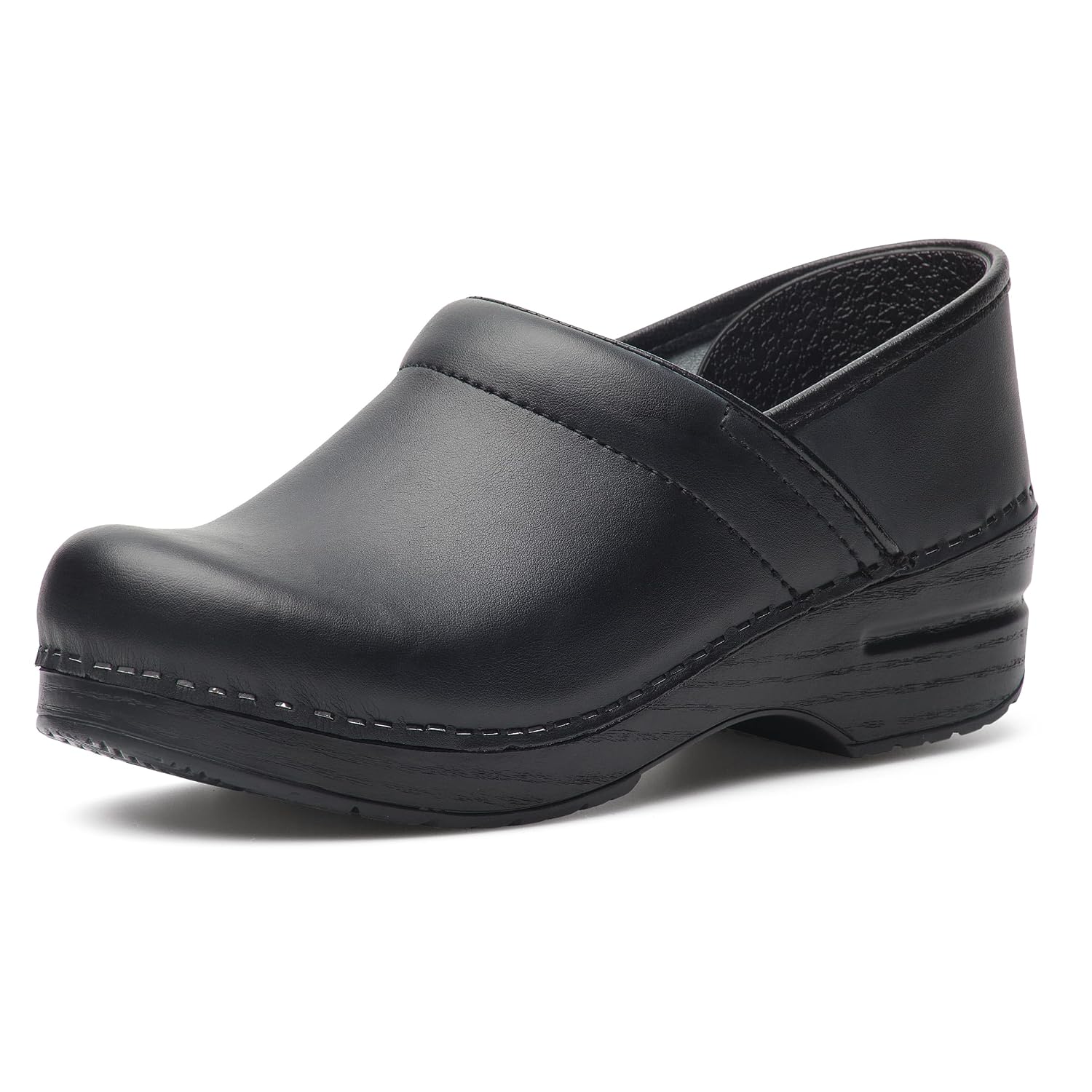 Shoes
ShoesLong shifts on hard floors. The CRNA-school standard — slip-resistant, supportive, easy to clean.
 Badge
BadgeYou'll use this every day. A good retractable reel + holder that fits your hospital ID. Cheap to replace, annoying to lose.
Or help with the part they're actually stressed about
Most applicants aren't short on gear — they're short on a straight answer about whether they're competitive and what to fix first. The candidacy score, the full program directory, and the GPA calculator are free to use. Sending them the link costs nothing and is often more useful than another object.
Gift questions, answered
What do you get someone starting CRNA school?
Something they'll use in clinicals. A good stethoscope, a durable clinical bag, or a quality penlight all get handled daily for three years. Avoid novelty items — a future CRNA already owns enough mugs, and equipment they use on shift is what actually gets remembered.
How much should you spend?
There's no expected number, and the price doesn't drive how useful it is. A penlight or badge reference costs very little and gets used constantly; a stethoscope is the one place where spending more genuinely buys better performance. Match the item to the moment rather than to a budget.
What's a good gift for someone still applying?
At the application stage the useful gifts are study material and anything that protects their time and energy — they're usually working full time in an ICU while completing prerequisites, studying for the CCRN, and preparing for interviews.
Do CRNA students need their own equipment?
It varies by program — some supply certain equipment, many don't, and requirements differ between clinical sites. If you're buying something significant, it's worth asking them (or checking their program's published requirements) before you buy.
What if you'd rather help with the application itself?
Point them at the free tools rather than buying something. Boost CRNA's candidacy score, program directory, and GPA calculator are free to use and aimed squarely at the part they're actually stressed about.
Looking for more? The full gear list has everything by category, and the guides cover the application itself.